Imposter syndrome
Let's talk about it....

One thing that’s not spoken about enough among clinicians who choose a non-traditional path is the imposter syndrome that can come with it. When you decide not to follow the standard training pathway (like foundation training followed by specialty training, etc.), it can feel daunting.
Recently, I spoke with a Pivoter about their journey. We discussed how there can often be several failed applications before landing your dream job. So, how do you deal with that?
First, it helps to separate the rejection of your application from a rejection of you as a person. It’s not about them rejecting you - the rejection relates to nothing more than the words on your application (or in an interview). So, how can you improve those words? See every rejection as a chance to get better. Look at LinkedIn profiles of people in jobs you admire to see what experiences helped them get there. Doing this for about 10 people can help you see what common experiences are important and show you that there isn’t just one way to succeed.

Secondly, as we’ve mentioned in previous newsletters (check it out here), a good way to handle rejection is to get used to it. Put yourself out there again and again until you stop being afraid of it.
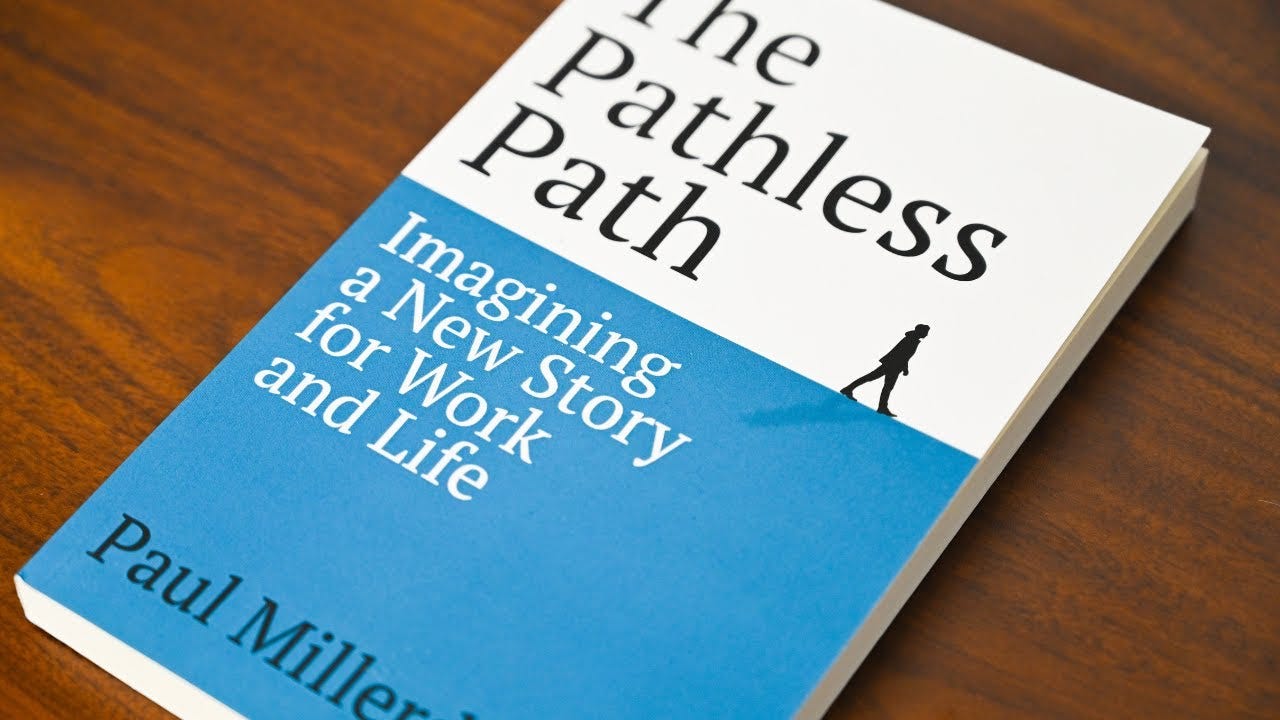
Lastly, in the book "The Pathless Path", Paul Miller talks about leaving a career in consulting to follow his passions. He suggests finding others who have taken similar journeys or who inspire you. Surround yourself with people who motivate you and understand the challenges you face. This is what we aim to provide with The Clinical Pivot—a supportive community!
As always, let us know if you found this helpful! Also, what’s the best tip you’ve received for tackling imposter syndrome?
What we've been reading
"The Pathless Path" by Paul Miller explores the journey of abandoning conventional career paths to pursue a life of meaning and fulfillment. Miller shares personal insights and practical advice, encouraging readers to embrace uncertainty and redefine success. This book is ideal for anyone seeking inspiration on how to chart their unique life/career course.
Spotlighting Opportunities
Healthcare Consultant for Atos
Atos is looking for a healthcare consultant passionate about driving innovation and change within the industry. The role involves managing engagements, building client relationships, and leading teams to ensure high-quality delivery. They are seeking someone with deep subject matter expertise and welcome applicants with only industry (clinical) experience. A great opportunity for those interested in healthcare-specific consulting.
Head to the Jobs Board for more details.
If you have any opportunities that you want us to share with the Clinical Pivot community, then send us a reply below!
News
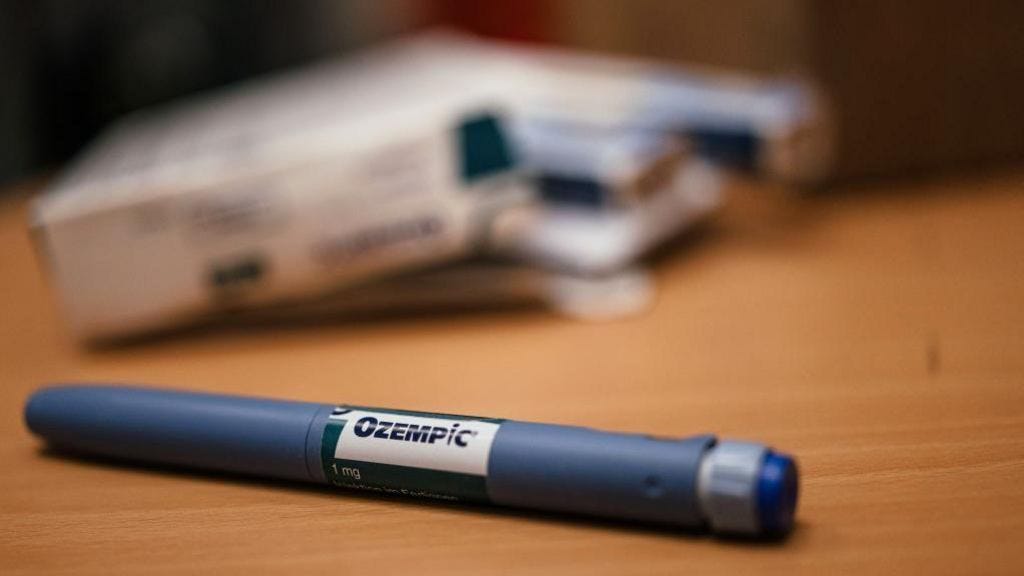
Global alert issued over fake Ozempic drugs
The World Health Organization (WHO) has issued a global alert about counterfeit versions of Ozempic, a drug originally intended for type 2 diabetes but now popular for weight loss. The huge demand for it has led to shortages and a rise in counterfeit products. The WHO urges consumers to obtain the drug only from reputable sources, as fake versions have been found that lack semaglutide or even contain harmful substances. Authorities in the UK, US, and Brazil have seized counterfeit batches. Read the full article here
NHS struck by cyber attack
Russian hackers, identified as the Qilin group, have stolen sensitive records from the NHS, covering 300 million patient interactions, including blood tests for HIV and cancer, over many years. The attack targeted Synnovis, a private/NHS joint venture providing pathology services, affecting seven hospitals under two NHS trusts. After Synnovis reportedly refused to pay a $50 million ransom, Qilin began releasing some of the 380GB of stolen data on the dark web. The hack has severely disrupted medical services in southeast London, leading to the cancellation of over 1,100 operations and the postponement of over 2,000 outpatient appointments. This incident serves as a stark reminder of the critical importance of cybersecurity in healthcare and opens up a broader discussion on how to safeguard sensitive information in an increasingly digital world.